

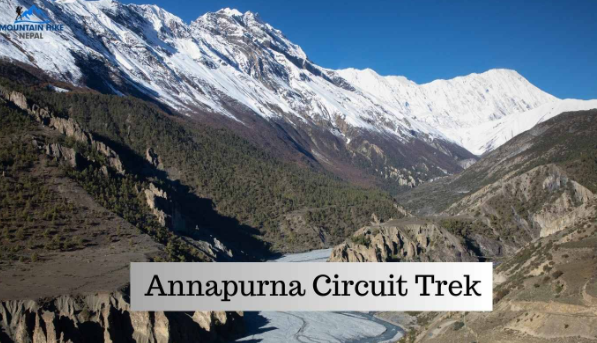
The Annapurna Circuit Trek is one of the most legendary trekking routes in the world, offering an unforgettable blend of stunning landscapes, rich culture, and diverse adventure. Located in central Nepal, this classic trail encircles the mighty Annapurna Massif, taking trekkers through tropical valleys, high mountain passes, and remote Himalayan villages. It is a journey that reveals Nepal’s incredible natural beauty and its deep cultural soul.
From lush rice terraces to the arid wilderness of the trans-Himalayan desert, the Annapurna Circuit Trek offers an unmatched variety of experiences within a single route — a reason why it is often regarded as one of the best long-distance treks on Earth.
Overview of the Annapurna Circuit
The Annapurna Circuit typically covers around 160–230 kilometers, depending on where you start and finish. The trail traverses multiple climatic zones — from subtropical forests and terraced farmlands to alpine meadows and the high-altitude deserts of Manang and Mustang.
The highlight of the trek is crossing the Thorong La Pass (5,416 m) — one of the highest trekking passes in the world. Standing at this altitude, surrounded by towering peaks like Annapurna II, Gangapurna, Dhaulagiri, and Manaslu, is a moment that remains etched in every trekker’s memory.
Major Highlights of the Annapurna Circuit Trek
- Cross the world-famous Thorong La Pass (5,416 m)
- Visit the sacred Muktinath Temple, a pilgrimage site for both Hindus and Buddhists
- Explore the diverse ethnic cultures of Gurung, Thakali, and Manangi people
- Enjoy panoramic views of Annapurna, Dhaulagiri, Nilgiri, and Lamjung Himal
- Trek through tropical valleys, alpine forests, and dry Tibetan-like landscapes
- Relax in the natural hot springs of Tatopani
- Conclude with a visit to Pokhara, Nepal’s beautiful lakeside city
Typical 14–18 Day Annapurna Circuit Trek Itinerary
Day 1: Drive from Kathmandu to Besisahar (800 m)
Day 2: Trek to Bahundanda (1,310 m)
Day 3: Trek to Chamje (1,430 m)
Day 4: Trek to Bagarchhap (2,160 m)
Day 5: Trek to Chame (2,710 m) – capital of Manang District
Day 6: Trek to Pisang (3,300 m)
Day 7: Trek to Manang (3,540 m) – acclimatization day
Day 8: Explore Manang – short hikes and rest day for acclimatization
Day 9: Trek to Yak Kharka (4,050 m)
Day 10: Trek to Thorong Phedi (4,450 m)
Day 11: Cross Thorong La Pass (5,416 m) and descend to Muktinath (3,800 m)
Day 12: Trek to Marpha (2,670 m) – famous for its apple orchards
Day 13: Trek to Ghasa (2,010 m)
Day 14: Trek to Tatopani (1,190 m) – enjoy the natural hot springs
Day 15: Trek to Ghorepani (2,870 m)
Day 16: Early morning hike to Poon Hill (3,210 m) for sunrise view
Day 17: Trek to Nayapul and drive to Pokhara
Day 18: Return to Kathmandu
This itinerary can be customized depending on your fitness level, time, and interest. Some trekkers choose to shorten the route using road transport or add side trips to places like Tilicho Lake (4,919 m) — one of the world’s highest lakes.
Cultural Experience Along the Trail
The Annapurna Circuit Trek is not just about mountains — it’s also a cultural odyssey. You’ll pass through villages inhabited by different ethnic groups, each with distinct languages, traditions, and architecture.
In the lower regions, Gurung and Magar communities dominate, while higher up, in Manang and Mustang, you’ll encounter Tibetan-influenced Buddhist cultures.
Prayer flags, ancient monasteries, mani walls, and chortens line the trail, giving the journey a deeply spiritual atmosphere. Trekkers often stop to interact with locals, taste regional foods, and learn about life in Nepal’s remote mountain regions.
Scenic Beauty and Diversity
One of the biggest draws of the Annapurna Circuit Trek is the incredible diversity of landscapes. Each day feels like walking into a new world:
- Lowlands: Green forests, terraced farms, waterfalls, and rice paddies.
- Mid-hills: Rhododendron forests, pine-covered trails, and highland villages.
- High Himalayas: Alpine meadows, rocky cliffs, glacial rivers, and snow peaks.
- Trans-Himalayan zone: Barren desert-like valleys with colorful rock formations.
The changing scenery keeps the trek exciting from start to finish, and every turn offers a postcard-perfect view of the Annapurna and Dhaulagiri ranges.
Difficulty Level and Preparation
The Annapurna Circuit Trek is considered moderate to challenging, depending on your fitness level and the chosen route. The primary challenge is altitude, especially when crossing Thorong La Pass.
To prepare, trekkers should focus on building endurance, leg strength, and cardiovascular fitness before the trip. Prior trekking experience is helpful but not essential. The key to success is proper acclimatization and pacing yourself to avoid altitude sickness.
Best Time to Do the Annapurna Circuit Trek
The best seasons for the Annapurna Circuit Trek are spring (March–May) and autumn (September–November).
- Spring: The rhododendrons are in full bloom, and the temperatures are mild.
- Autumn: Clear skies, dry weather, and stunning visibility make it the most popular season.
- Winter (December–February): Very cold and snowy at higher altitudes, but fewer crowds.
- Monsoon (June–August): Trails can be slippery, but the region of Manang lies in a rain shadow, making it possible to trek even during this time.
Permits and Regulations
Trekkers need the following permits to complete the Annapurna Circuit Trek:
- Annapurna Conservation Area Permit (ACAP) – USD 30 per person.
- Trekkers’ Information Management System (TIMS) card – USD 20 per person.
Both can be obtained in Kathmandu or Pokhara through registered trekking agencies. No special restricted-area permit is required for the standard Annapurna Circuit route.
Accommodation and Food
Accommodation along the Annapurna Circuit is available in teahouses, which provide clean rooms, warm blankets, and hearty meals. Most teahouses serve a variety of Nepali, Indian, and Western dishes.
The staple meal is dal bhat — rice, lentils, and vegetables — a nutritious dish that provides the energy needed for long trekking days. You’ll also find soups, noodles, pancakes, and even coffee in most villages.
Wi-Fi, hot showers, and charging facilities are available in many teahouses, though they may come at a small additional cost.
Transportation and Access
The trek begins from Besisahar, which is about a 6-hour drive from Kathmandu. Roads now extend up to Chame and even Manang, allowing trekkers to shorten or customize their routes.
At the end of the trek, most people conclude in Jomsom or Pokhara. You can take a short flight from Jomsom to Pokhara or enjoy a scenic drive down the Kali Gandaki Valley.
Why Choose the Annapurna Circuit Trek
- Diverse Landscapes: From tropical forests to high-altitude deserts.
- Cultural Richness: Experience Hindu and Buddhist heritage.
- Accessibility: Well-developed infrastructure and teahouses along the trail.
- Adventure: Cross the iconic Thorong La Pass.
- Value: Offers one of the most complete Himalayan trekking experiences in Nepal.
Whether you’re a seasoned trekker or an adventurous first-timer, the Annapurna Circuit Trek is a rewarding experience that combines adventure, beauty, and culture in perfect harmony.
Responsible Trekking and Sustainability
With the growing popularity of the Annapurna region, responsible trekking is crucial. Trekkers should minimize plastic use, carry reusable bottles, and respect local customs. Supporting local guides, porters, and family-run teahouses helps sustain the regional economy and preserve the environment.
The Annapurna Conservation Area Project (ACAP) plays a major role in protecting local flora, fauna, and culture, so following their guidelines ensures the preservation of this natural wonder for generations to come.
Conclusion
The Annapurna Circuit Trek is more than a hike—it’s a life-changing journey through one of the most diverse trekking routes in the world. Each step offers new scenery, each village reveals a new story, and each sunrise paints the Himalayas with a golden hue that stays in your memory forever.
From the deep valleys of Marshyangdi to the windy trails of Jomsom, this trek captures the very spirit of Nepal: majestic mountains, warm-hearted people, and timeless adventure.
If you’re looking for a trek that challenges your body, enriches your mind, and touches your soul, the Annapurna Circuit Trek is your perfect Himalayan experience.

4 comments
This immersive stroll through historic beauty offers a personal, intimate feel while exploring iconic interiors. A thoughtful guide, quiet corners, and fascinating stories make for a memorable, gentle-paced experience that truly shines Private Notre Dame Sainte Chapelle walking tour.
What a vibrant destination for nature lovers and culture seekers alike; the landscapes look breathtaking, and the local stories really add depth to every trek. Thanks for sharing this inspiring perspective Kumaon adventure travel.
What a helpful post! I appreciate the practical tips and the friendly tone, it makes planning group journeys feel much easier and more enjoyable for everyone involved. Thanks for sharing thoughtful ideas Cheltenham Coach Hire.
What a fascinating topic! I loved the insights shared and the practical tips for coordinating memorable gatherings, from venue vibes to guest experiences. A thoughtful read for anyone planning events abroad Event planning Cartagena.