

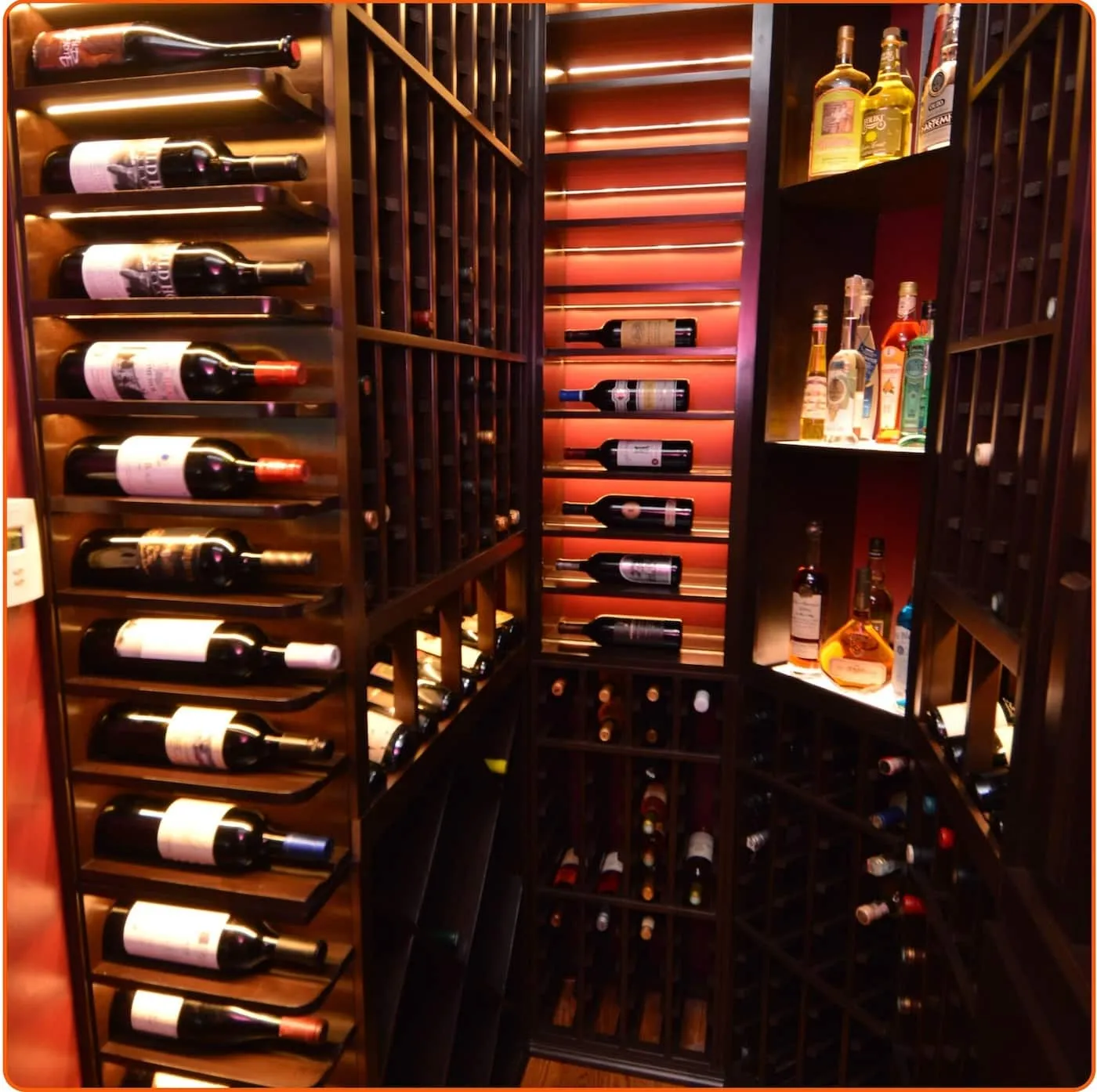
A custom wine cellar should do more than hold bottles. It needs to fit the room, support the way the collection is organized and remain convenient to use as the number of bottles changes. A cellar that looks impressive but is difficult to navigate can quickly become frustrating, especially when storage has been planned around appearance alone.
The most successful projects usually begin with practical decisions. Bottle count, room dimensions, cooling requirements, rack style, lighting and access all need to be considered before decorative finishes are selected.
Start With the Collection
Before choosing materials, it helps to understand what is actually being stored. A collection made up mainly of standard Bordeaux bottles may need a different layout from one that includes Champagne, Burgundy bottles, magnums or wooden cases.
Homeowners working with wine cellar builders san francisco can make the planning process easier by creating a basic inventory first. It does not need to be complicated. A rough count of bottle types, frequently opened wines, long-term storage bottles and larger formats can provide enough information to begin shaping the layout.
Future growth should also be considered. Filling every available opening on the first day leaves little flexibility for new purchases.
Let the Room Guide the Design
Not every cellar starts in a large rectangular room. Wine storage can be created in spare bedrooms, closets, basements, under-stair areas and narrow spaces that were originally intended for another purpose. Ceiling height, wall length, door placement, vents, windows and structural details can all affect usable storage. Instead of forcing the same rack pattern onto every wall, the design can respond to each section individually.
A narrow wall might work well for single-depth storage, while a recessed area could be used for cases, accessories or a small display. This approach makes better use of awkward spaces without making the room feel crowded.
Wooden Racks Can Be Adapted to Different Needs
Wood stays a popular material because it can work with both traditional and modern interiors. It can also be used for custom designs where the standard rack sizes might be inappropriate.
Wooden Custom Wine Cellar Racks can combine several storage styles within the same room. Individual openings can keep bottles organized, display rows can highlight selected labels and larger compartments can hold cases or wider bottle formats.
The finish can also change the character of the cellar. Darker woods can lend a more traditional atmosphere, while lighter hues and simpler lines can blend in with contemporary interior designs.
Think About How Often Bottles Are Used
The cellar should be set up around the normal activities. Wines that have been opened, for better maintenance, should be kept at comfortable levels, while other wines that are meant for long-term storage may be kept at higher or lower levels.
The same principle applies to display sections. A special bottle collection may look impressive at eye level, but there is little reason to use prime storage space for bottles that are rarely seen. Good organization reduces unnecessary searching and helps make the room feel intuitive from the first visit.
Cooling Should Be Planned Early
If the cellar will be climate controlled, the cooling system should not be treated as a last-minute addition. Insulation, vapor protection, door sealing, equipment placement and ventilation can all affect performance.
Mechanical components also need enough space for airflow and future maintenance. A rack layout that blocks access to equipment can create problems later, even if it looks neat at the time of installation. Planning cooling and racking together avoids the need to change finished cabinetry or reduce bottle capacity after construction has begun.
Leave Enough Space to Move
Capacity matters, but circulation should not be sacrificed to gain a few extra bottles. A narrow aisle can make it difficult to browse the collection or remove bottles from lower racks. Door swing, rack depth and any counters or display shelves should be checked together. A small cellar can still feel comfortable when these features are positioned carefully. In compact rooms, simple layouts often work better than adding too many decorative elements.
Conclusion
A well-designed wine cellar starts with the collection and the available room rather than with finishes alone. Homeowners can review project ideas and planning examples on customwinecellarssanfrancisco.com while considering how storage, cooling, circulation and materials should work together. When wooden racking is customized to fit both the bottles and the architecture, the finished cellar becomes easier to use, easier to organize and better prepared for future growth.
