

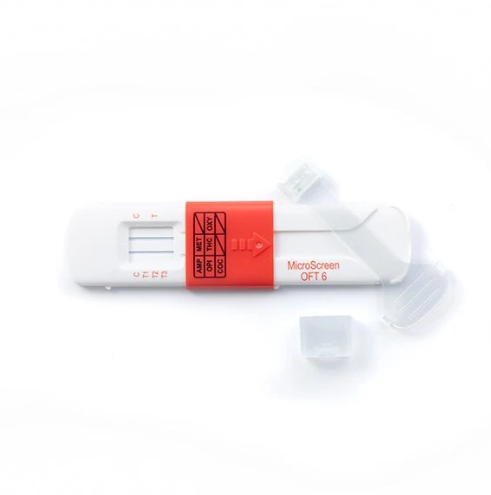
A saliva drug test kit nz workplace uses can offer a practical way to screen recent drug use without the privacy and collection requirements associated with urine testing. For employers, however, the quality of the process matters just as much as the device itself. Clear procedures, trained collectors, documented results, and a plan for non-negative screens all help make testing more consistent.
Pre-employment screening is often one part of a wider workplace drug and alcohol policy. The test should therefore fit the organisation’s risk profile, recruitment process, and legal obligations rather than being treated as a stand-alone box-ticking exercise.
Start With a Written Testing Policy
Before testing begins, employers should define when screening occurs, who is covered, what type of test is used, and how results are handled. Candidates should know what the process involves and what happens if a screening result is non-negative.
A pre employment drug test kit nz employer selects should sit within that written procedure. The device, collection method, cut-off levels, result-reading window, and confirmation pathway should all be understood before the first candidate is tested.
Choose the Specimen Type for a Reason
Oral fluid and urine tests provide different information. Saliva testing is generally associated with a shorter detection window and can be collected under direct observation, while urine testing may detect some substances over a longer period.
The right choice depends on the purpose of the programme. Safety-sensitive employers may value a method that better reflects more recent use, while another organisation may have a policy built around urine testing and established laboratory procedures.
Check the Test Against Relevant Standards
New Zealand workplaces commonly look to Australian/New Zealand standards when selecting drug-testing procedures. Oral-fluid testing is associated with AS/NZS 4760, while urine testing is associated with AS/NZS 4308.
Employers should confirm that the device and collection process they use are appropriate for the standard they intend to follow. A product label alone is not enough; staff should also understand the required collection, interpretation, documentation, and confirmation steps.
Treat Screening Results as Preliminary
Rapid drug tests are screening tools. A negative result can be recorded according to the workplace procedure, but a non-negative screen should not automatically be treated as a confirmed positive result.
Where required by policy or the applicable testing standard, the specimen should be sent for confirmatory laboratory analysis using an appropriate analytical method. This distinction helps avoid making employment decisions from a preliminary screen alone.
Train the Person Collecting the Sample
Even a simple device can produce unreliable results if the instructions are not followed. Collectors should know how long the sample must be collected, when the test should be read, what makes a result invalid, and how to record the outcome.
Training should also cover hygiene, privacy, chain of custody where applicable, and what to do if the test cannot be interpreted. A consistent collector process reduces avoidable variation between candidates.
Store Kits Properly and Check Expiry Dates
Testing kits should be kept within the storage conditions stated by the manufacturer. Excessive heat, moisture, or expired devices can affect performance.
A simple stock-control system can help employers rotate older kits first and remove expired stock. Keeping enough kits available for planned recruitment also avoids pressure to use a device that has been stored incorrectly or is past its expiry date.
Document the Process Clearly
Records should show the date of testing, device used, collector, candidate identification process, result, and any next steps required by the workplace policy. Documentation should be handled securely because drug-testing information is sensitive personal information.
Access should be limited to people who genuinely need the information for the employment process. Employers should also follow applicable privacy and employment-law requirements when storing or sharing results.
Build a Plan for Non-Negative Results
The most important part of a testing programme may be what happens after an unexpected screen. Employers should already know whether the candidate will be stood down from the recruitment process temporarily, whether a confirmation sample is required, and who communicates the next step.
Having this process written in advance reduces the risk of inconsistent decisions. It also gives candidates a clearer understanding of how preliminary and confirmed results are treated.
Conclusion
Pre-employment drug screening works best when the test kit is only one part of a structured process. Written policy, suitable specimen selection, relevant standards, trained collection, proper storage, secure documentation, and laboratory confirmation all contribute to a more reliable programme.
Employers that plan these steps before testing begins can reduce avoidable errors and handle results more consistently. The strongest screening process is one that supports workplace safety while remaining clear, documented, and fair to every candidate.
