

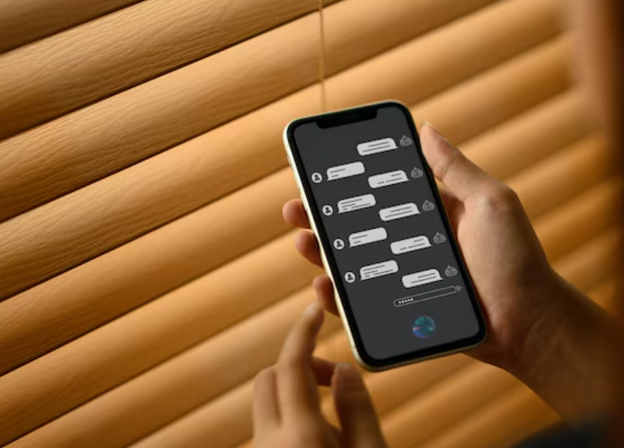
A mask makes some people bolder. Not reckless, just braver about saying what they really think. That is the pull of anonymous chat. No profile, no photo, no history following you around. You show up as a nickname and let the words do the work.
Yet a mask cuts both ways. The other person is hidden too, and not everyone behind a nickname is kind. This guide shows how these platforms work, what to check before joining, and which habits keep you comfortable from the first message onward.
How Nickname Based Platforms Operate
Most sites follow a simple pattern. You pick a nickname, press a button, and the system pairs you with someone. Some pair you by chance, others by shared interests. Either way, there is rarely any long sign up.
Behind the scenes, good platforms filter spam, block repeat troublemakers, and log reports. You will not see this work, but it shapes your experience. When you text with strangers, that hidden effort decides whether the room feels friendly or messy.
Features Worth Checking Before Joining
Look for a clear report button, a block option, and posted rules. Check for an age limit for adults only. If the terms are hard to find, that alone tells you something.
Speed matters too. Pages that load slowly or bury you in pop ups are a red flag. Try a short test session first. Skip a few chats, watch how the tools behave, and see if the mood feels calm. Ten minutes of testing beats ten hours of regret.
Protect Your Identity From First Message
Anonymity is only a starting point. You must protect it. Choose a nickname with no link to your real name, birth year, or hometown. Never reuse handles from your other accounts.
Keep details vague. Say you live in a big city, not on a named street. Say you study, not where. Avoid sending photos early, since backgrounds leak more than you expect. Think of your identity as a locked door, and hand out keys very slowly.
Spot Scams and Pushy Behavior Fast
Scammers love anonymous spaces. Watch for sudden sad stories, requests for gift cards, or links that promise prizes. Anyone who moves the chat to another app in the first minute deserves a raised eyebrow.
Pressure is the biggest clue. Real conversation has no deadlines. If someone rushes you, flatters you too much, or gets angry at a no, leave. Block, report, and move on. You lose nothing by walking away, and you might save yourself plenty.
Starting Talks That Actually Go Somewhere
Skip the boring opener. Instead of just hi, add a small question, like what is the best thing you ate this week? It gives the other person something easy to grab.
Match their energy. If they write short lines, keep yours short. If they share a story, respond to the details. Curiosity shines through text. Also, be honest about being new to it. People tend to warm up when you admit you are a little nervous.
Balance Online Chats With Real Life
Anonymous talks can be lovely, but they should never crowd out your real friends. Set a time limit. Half an hour is plenty on most days. When the timer ends, log off and do something offline.
Talk to someone you trust about your habits, especially if you feel stuck or low. Chat rooms are good company, not a full replacement for people who know you. A short walk, a warm meal, a call to a friend. That mix keeps everything healthy.
Conclusion
Anonymous platforms offer freedom, but freedom works best with a few smart rules. Check the tools, protect your identity, watch for scams, and keep your tone kind. Simple habits make a big difference.
Ready to explore? Visit talkwithstranger.com and start a text session at your own pace. Say hello, ask a friendly question, and leave whenever you like. The next conversation might be short and funny, or long and surprising. Either way, you decide.

2 comments
אם חיפשת נהג מונית באזור שלך, השירות דרך הלוח הפתוח אונליין יכול להקל על הבחירה בזכות הצגת אפשרויות בצורה נוחה ונגישה. היתרון המרכזי הוא היכולת להשוות בין נהגים ושירותים לפי זמינות, רמת שירות וחוויית לקוח, כך שתוכל לבחור בקלות נסיעה שמתאימה לצרכים שלך. בנוסף, תהליך הפנייה בדרך כלל קצר ופשוט,
נהג מונית באזור שלי
كما أن التركيز على كفاءة الخدمة يساهم في تقليل الأخطاء والتداخلات أثناء التنسيق مع الجهات
التقدم بطلب لتوصيل الكهرباء