

Why Solana Wallet Choice Matters for Everyday Use
Managing Solana tokens is smooth when your wallet matches how you actually use crypto. Wallets differ in how they handle transaction signing, network switching, and token discovery, which can affect both Best Crypto Wallets to Manage Solana speed and accuracy. When you choose thoughtfully, you spend less time troubleshooting and more time moving funds. That practical benefit matters as much as security features.
For many users, the best experience comes from having one wallet that can cover multiple assets across networks. If you also hold Bitcoin and Ethereum, a wallet that supports more than one chain can reduce mental overhead and simplify your routine. Instead of juggling separate apps and seed phrases, you can centralize management and keep approvals organized. The result is a cleaner workflow for swaps, staking, and sending transactions.
Top Wallet Features to Look For on Solana
Start by evaluating how the wallet supports Solana-specific functions like token balances, staking, and interaction with dApps. Some wallets display assets more reliably, while others require manual steps to view token holdings. You also want clear confirmation screens so you can verify addresses and amounts before signing. These small details reduce the chance of mistakes during high-volume activity.
Next, consider the security model and how keys are stored. Non-custodial wallets that let you control your own private keys typically offer stronger long-term control than custodial services. Hardware support can add an extra layer of protection when you want offline signing for larger transfers. For a benefits-led decision, prioritize the combination of safety, usability, and the ability to recover access if you lose your device.
Compare QIE Wallet, MetaMask, Ledger, and Trust Wallet
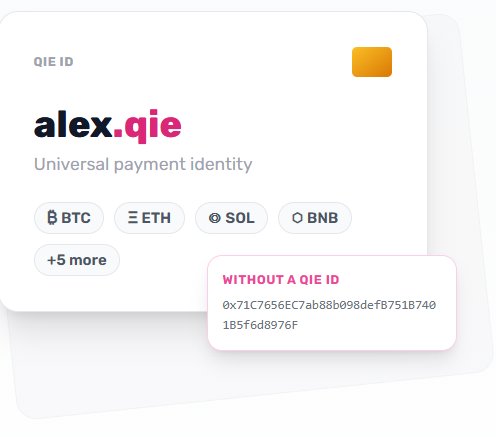
QIE Wallet is built around the idea that managing multiple chains should feel consistent, not fragmented. For users who want one place to manage Bitcoin, Ethereum, and Solana, it can streamline the process of switching networks and handling transactions. This reduces the friction that often comes from learning different interfaces for each ecosystem. The practical upside is faster setup and fewer “where did my asset go?” moments.
MetaMask is widely recognized for its browser-friendly experience and broad dApp compatibility, which can be a major benefit when you interact with Ethereum-based apps. When connecting to Solana-related tools, the experience can vary depending on integrations, but many users value the familiar interface and ecosystem support. If your routine includes frequent approvals, easy account switching, and quick access to on-chain activity, MetaMask can be attractive. Still, it’s important to pair that convenience with careful verification during signing.
Ledger focuses on hardware-backed security, which is a strong advantage if you prioritize protection over convenience. With offline signing, you can reduce exposure to malware and phishing attempts when approving transfers. This approach is especially beneficial for users who hold meaningful balances or want a more deliberate transaction process. While the setup and day-to-day flow may be slightly less streamlined, the trade-off often feels worth it for risk-aware investors.
Trust Wallet emphasizes mobile usability and straightforward account management, which can be a key benefit for people who transact on the go. It’s designed to make sending and receiving less technical, with intuitive prompts and a friendly interface. For many users, this lowers the barrier to entry while still providing meaningful control through non-custodial principles. As with any wallet, you should review how it handles network support and token visibility so your Solana assets remain easy to track.
How to Choose the Right Wallet for Your Goals
If your main goal is convenience across multiple networks, prioritize wallets that make switching chains and viewing balances simple. Look for clear token lists, stable address handling, and predictable transaction confirmations. A wallet that reduces steps for deposits, swaps, and sends can help you avoid delays and reduce the chance of mistakes. This benefits-led approach keeps your crypto activity smooth even as your portfolio grows.
If your goal is maximum safety, consider hardware-first strategies or wallets with strong non-custodial controls. You can still maintain usability by using a secure process for routine transactions while reserving higher-security methods for larger moves. For example, you might keep smaller amounts in an everyday wallet and store the bulk with a hardware device. This layered setup helps you enjoy speed without sacrificing long-term protection.
Conclusion
Choosing the best wallet for Solana is less about chasing features and more about matching your workflow. When your wallet makes token visibility, signing, and network interactions straightforward, it improves both confidence and speed. That practical advantage becomes especially valuable when you manage assets across Bitcoin, Ethereum, and Solana. A wallet that supports multichain activity can also reduce complexity and keep your day-to-day routine consistent. Whether you lean toward QIE Wallet’s multichain convenience, MetaMask’s ecosystem familiarity, Ledger’s security-first approach, or Trust Wallet’s mobile simplicity, the best option is the one that fits your habits. Evaluate security model, token handling, and how easily you can verify transactions before signing. When those benefits align with your priorities, you get a smoother experience and a safer setup for your crypto. Ultimately, the right choice helps you manage your assets with less friction and more control.
