

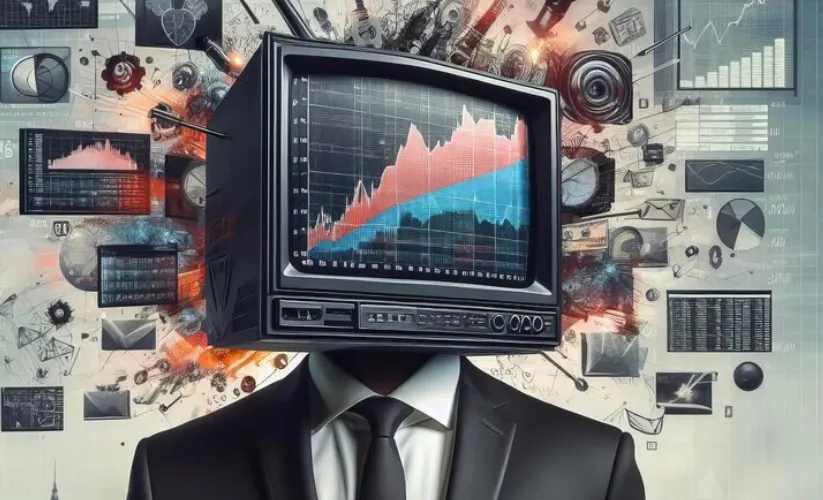
Access to information has never been easier. News is available through websites, mobile apps, social media platforms, podcasts, and video channels, giving people countless ways to stay informed. While this abundance of information offers many benefits, it also creates a challenge: understanding how news is presented and whether certain viewpoints may influence coverage.
Today, readers often encounter different interpretations of the same event depending on the source. Headlines, story selection, and language can vary significantly, making it difficult to determine whether coverage is balanced. As a result, tools designed to evaluate reporting patterns have become increasingly important. A Political Bias Checker can help readers identify potential perspectives within news content, while Media Bias Analysis encourages a deeper understanding of how information is framed.
Together, these approaches support more informed and responsible news consumption.
Understanding Media Bias
Media bias refers to the way news and information may be presented from a particular perspective. Bias does not always mean information is false. Instead, it often appears through decisions about which stories receive attention, how issues are described, or which sources are included in reporting.
For example, two news outlets may cover the same political event but focus on different details. One publication might emphasize economic implications, while another highlights social or political consequences. Both reports may contain factual information, yet readers could walk away with very different impressions.
This is why Media Bias Analysis has become an important part of media literacy. It encourages people to look beyond headlines and consider how information is being presented.
Why Bias Awareness Matters Today
The modern media environment is shaped by personalization. News feeds and social media algorithms often show content based on previous interests, clicks, and interactions. While this creates a more tailored experience, it can also limit exposure to different viewpoints.
Over time, people may find themselves repeatedly seeing information that supports existing beliefs while encountering fewer alternative perspectives. This phenomenon is often referred to as an information bubble or echo chamber.
A Political Bias Checker can help users recognize these patterns by comparing reporting styles and identifying potential leanings across different sources. Rather than relying on a single outlet, readers gain a broader understanding of how various organizations approach the same topic.
How a Political Bias Checker Helps Readers
The goal of a Political Bias Checker is not to tell people what to think. Instead, it provides additional context that can help readers evaluate information more effectively.
Many bias-checking tools examine factors such as:
-
Language and tone
-
Headline framing
-
Source selection
-
Editorial patterns
-
Topic emphasis
By reviewing these elements, readers can better understand how different perspectives may influence reporting.
For example, if multiple outlets cover the same policy announcement, a bias-checking tool may reveal differences in emphasis or interpretation. This encourages readers to compare viewpoints rather than relying on a single narrative.
The Importance of Critical Thinking
Technology can help identify patterns, but critical thinking remains essential.
Effective Media Bias Analysis involves asking important questions:
-
Who created this content?
-
What evidence supports the claims?
-
Are multiple perspectives represented?
-
Is the language neutral or emotionally charged?
-
What information may be missing?
These questions help readers evaluate content more carefully and reduce the likelihood of accepting information without examination.
Developing these habits is increasingly important in a world where news spreads rapidly, and public discussions can become highly polarized.
The Growing Role of Technology
Advances in artificial intelligence are also changing how people evaluate information. Modern tools can process large amounts of content, compare reporting patterns, and identify recurring trends across multiple sources.
As technology evolves, bias-detection tools may become even more effective at helping users understand complex media environments. While no system can eliminate subjectivity, technological innovation can improve transparency and encourage healthier information habits.
This is particularly valuable for readers who consume news from multiple platforms and want a clearer picture of how stories are presented.
Benefits for Everyday News Consumers
Understanding media bias is not only useful for journalists or researchers. Everyday readers can also benefit from becoming more aware of how information is framed.
Using a Political Bias Checker alongside personal research can help individuals:
-
Compare different viewpoints
-
Reduce confirmation bias
-
Strengthen media literacy
-
Improve decision-making
-
Develop more balanced perspectives
These benefits support a more informed approach to current events and public discussions.
Final Thoughts
In a digital world filled with competing narratives and constant information, understanding how news is presented is more important than ever. Different sources may report the same event in different ways, making it essential for readers to evaluate content carefully.
A Political Bias Checker provides valuable insight into potential reporting patterns, while Media Bias Analysis encourages deeper examination of how information is framed and communicated. Together, they help readers move beyond headlines, think more critically, and make better-informed decisions in an increasingly complex media landscape.

2 comments
If you’re searching for florists silver spring maryland, a practical way to narrow the choices is to check their portfolio by event type (weddings, corporate, or sympathy), confirm they can match your preferred style and budget, and ask about delivery setup options. It also helps to request a quick consultation
Archiving old film can be frustrating when prints are fading, shrinking, or stuck in boxes. That’s where film scanning Canada services make a real difference—proper cleaning, careful digitizing, and color/contrast correction help preserve details before they disappear. If you’re dealing with brittle or inconsistent negatives, a problem-solution approach like the